
Digitalization is no longer just a buzzword; it is the new infrastructure of energy finance. The days of manual reconciliations, paper-heavy joint interest billing, and delayed field reporting are quickly becoming relics of the past. By integrating cloud-based accounting and real-time data analytics, firms are moving beyond simple record-keeping to gain predictive insights that protect margins. Additionally, oilfields can strategically deploy data analytics, artificial intelligence (AI), and remote sensing technologies across upstream operations.
1. Operational Excellence: From the Wellhead to the Ledger
The integration of data analytics, Artificial Intelligence (AI), and remote sensing across upstream operations is a game-changer for asset management:
Predictive Maintenance: AI transforms aging infrastructure management by analyzing historical data to anticipate equipment failure. This shift from reactive to proactive maintenance minimizes downtime and significantly reduces capital expenditure.
Remote Surveillance & Security: Utilizing satellites, drones, and fiber-optic monitoring strengthens pipeline integrity. These tools detect illegal tapping and leaks in real-time, protecting both revenue and the local ecosystem.
Production Optimization: Digital reservoir tools improve "well" placement and recovery strategies. For indigenous companies operating marginal fields, these data-driven insights are critical for maximizing output under limited capital constraints.
HSE & IoT Integration: Internet of Things (IoT) sensors provide real-time visibility into pressure and flow rates. These early-warning systems prevent blowouts and environmental disasters, elevating Health, Safety, and Environment (HSE) standards across onshore and offshore operations.
2. A New Era of Regulatory Governance
Digitalization is equally vital for the Nigerian Upstream Petroleum Regulatory Commission (NUPRC). By adopting an intelligence-led regulatory model, the NUPRC can foster a transparent environment that boosts investor confidence:
Automated Licensing: End-to-end digital platforms for bid rounds and renewals reduce manual discretion, shorten approval timelines, and provide public dashboards for real-time status tracking.
Real-Time Compliance: Integrating metering systems directly into centralized databases allows regulators to flag deviations from field development plans automatically, shifting supervision from manual inspections to risk-based oversight.
Revenue Assurance: Digital reporting linked to operator meters ensures accurate measurement of crude oil and gas. This automated reconciliation eliminates under-reporting and reduces disputes between operators, NNPC Ltd, and the government.
3. Strengthening Social Trust and Reducing Disputes
One of the most profound impacts of a digital ecosystem is the ability to shift community and partner engagement from perception to evidence. A shared "single source of truth" offers:
Transparency in Host Community Development Trusts (HCDT): Real-time dashboards allow communities to track contributions and project disbursements, mitigating mistrust.
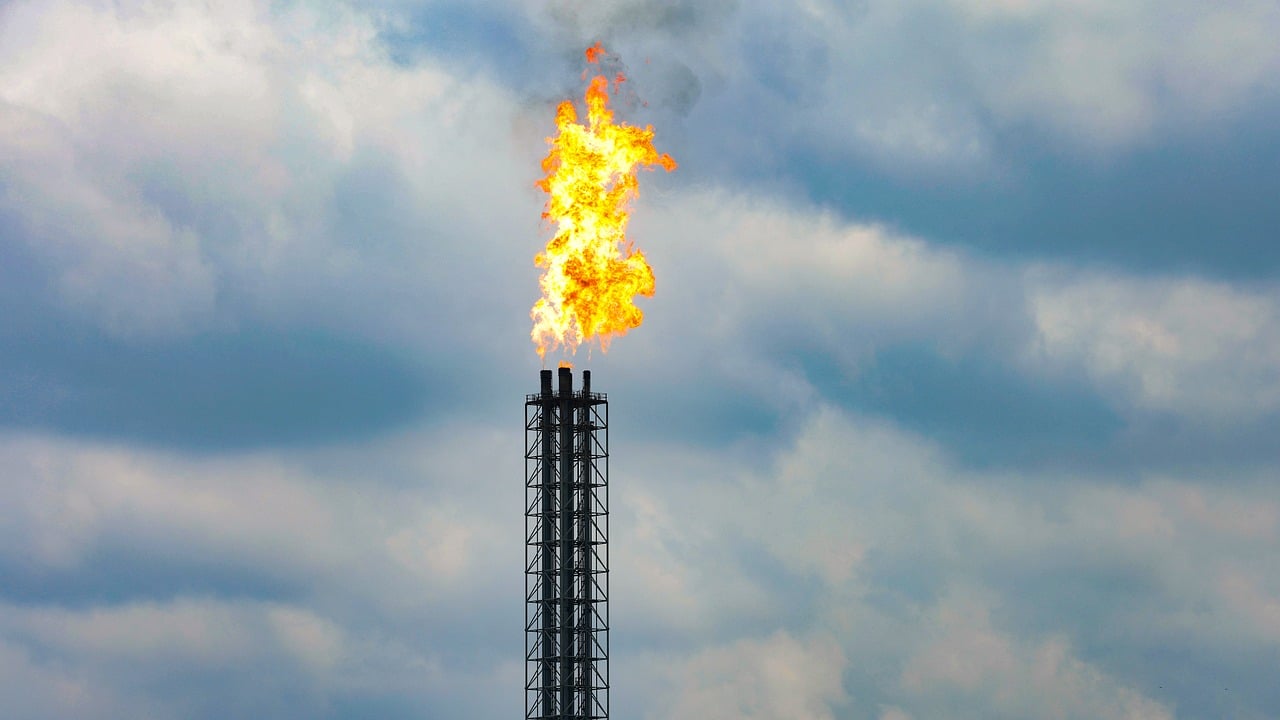
Environmental Accountability: Digitized gas flaring reports provide transparent records of emissions and penalties, ensuring remediation actions are verifiable.
Conflict Resolution: Standardized, time-stamped audit trails across agencies like NEITI, NUPRC, provide a factual basis for faster dispute resolution regarding royalties and allocations.
Conclusion
For Nigeria’s upstream sector, digitalization supported by robust cybersecurity and professional skill development is the pathway to safer operations and stronger governance. As accounting and tax professionals, we recognize that these technologies do more than just process data; they build the transparency and efficiency required to secure the future of Nigerian energy.